To view or add a comment, sign in Functional medicine expert Dr
How We Approach the Choice At Towsen Clinic, the growth hormone peptide decision starts with the patients goal and health profile, then matches the mechanism to that goal, with proper monitoring and attention to the current regulatory status
It has a cobalt ion at its center
Kosmodermas Intravenous therapy involves administering nutrients to the patients vein
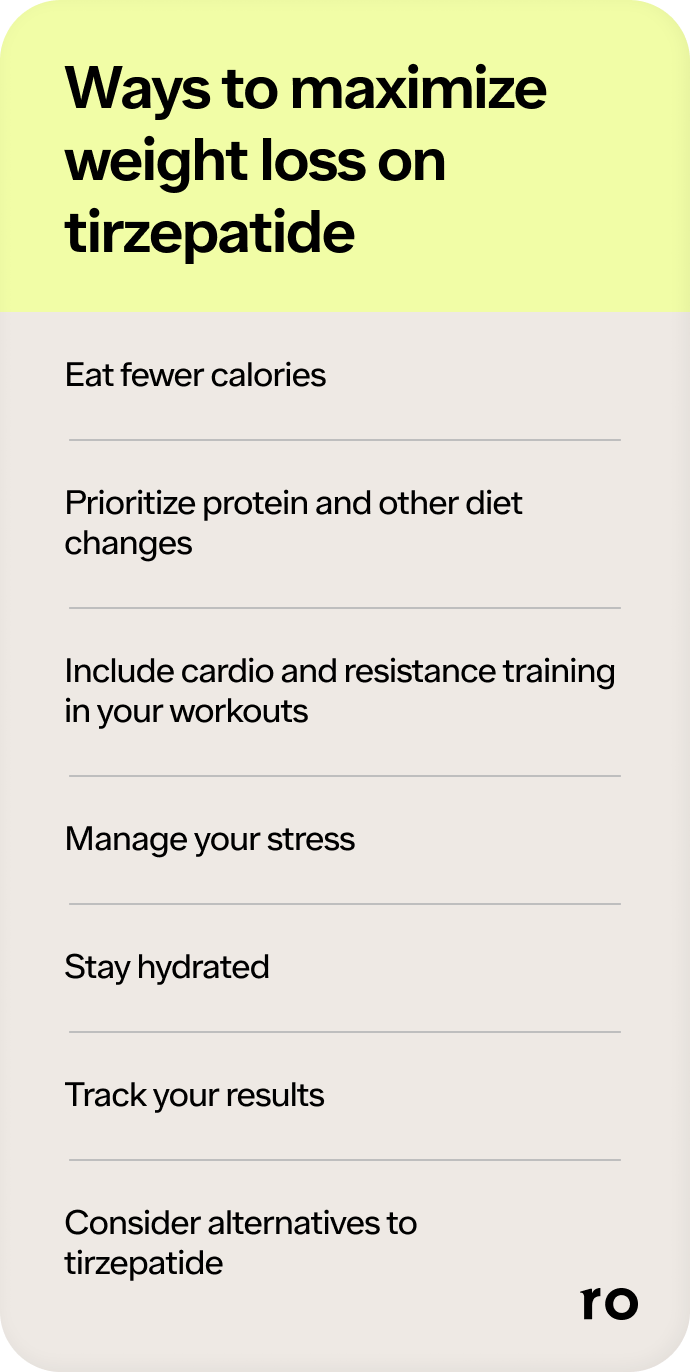
Nutrition for perimenopause Protein critical: 1-1.2g per lb ideal body weight Prevents muscle loss (accelerates in perimenopause) Supports peptide effectiveness Improves satiety Stabilizes blood sugar Carb timing matters: Insulin sensitivity worse in perimenopause Focus carbs around workouts Lower carb other times Quality matters (whole grains, vegetables) Healthy fats essential: Support hormone production Reduce inflammation Include omega-3s (fish, flax, walnuts) Moderate amounts (not low-fat diet) Foods to emphasize: Cruciferous vegetables (support estrogen metabolism) Fatty fish (omega-3s, vitamin D) Berries (antioxidants) Nuts and seeds Quality proteins Foods to limit: Alcohol (worsens hot flashes, sleep, mood) Excessive caffeine (anxiety, sleep disruption) Processed foods (inflammation) Added sugars (insulin resistance) Exercise adjustments Resistance training non-negotiable: 3-4x weekly minimum Prevents muscle loss Maintains bone density Supports metabolism Optimize peptide effects HIIT vs steady-state: HIIT effective for fat loss (works with GH peptides) But can stress already-stressed system Balance with recovery Listen to your body Recovery importance: Slower recovery in perimenopause Peptides help but still need rest Don't overtrain Sleep critical for results Movement matters: Daily walking (10,000 steps) Yoga for stress and flexibility Low-intensity steady state (LISS) Find sustainable routine See our peptide strength protocol benefits and safest peptides for muscle growth

The liver plays a crucial role in detoxification processes within the body